Getting ready for MTD
We know that tax changes can feel like a lot, especially when you are already busy running a business, managing property, dealing with customers, keeping up with paperwork and trying to stay on top of everything else.
The good news is that getting ready for MTD does not have to mean changing everything overnight. For many sole traders and landlords, it simply means starting to bring records into a clearer, more organised system before deadlines become urgent.
The earlier your records are in order, the easier the change is likely to feel.
What does getting ready for MTD actually mean?
Getting ready for Making Tax Digital is not just about choosing software. Software is part of it, but the bigger question is whether your records are clear, up to date and easy to work from.
If MTD applies to you, you will need to keep digital records and use compatible software to send information to HMRC. That means your income and expenses need to be recorded in a way that can support quarterly updates and the end of year tax process.
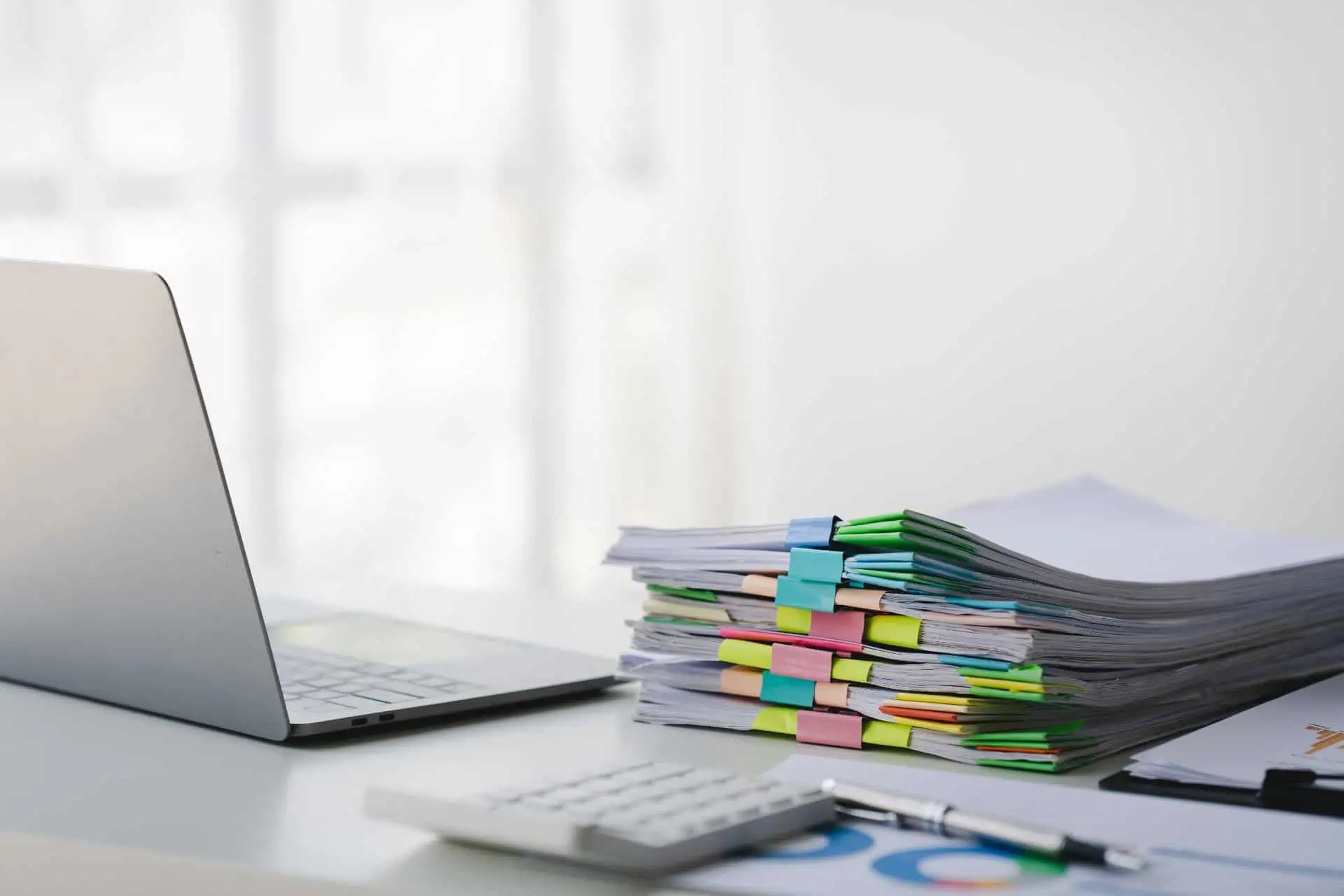
If your records are already tidy, the move may be quite straightforward. If they are currently kept in several different places, such as paper folders, spreadsheets, emails, bank statements and notebooks, it may take a little more preparation.
That is very common, and it is nothing to be embarrassed about. Many small business owners have systems that have grown bit by bit over time. They may have worked well enough in the past, but MTD is a good opportunity to make things clearer and easier to manage.
Start with where your records are now
The best place to start is by looking honestly at how your records are currently kept.
Are your income and expenses recorded regularly, or do they get sorted once a year? Are your receipts and invoices easy to find? Are your bank transactions checked and matched properly? Are your business and personal costs clearly separated?
You do not need to have everything perfect before asking for help. In fact, this is often the best time to get support, before the pressure of a deadline makes everything feel more urgent.
Once you know where you are starting from, it becomes much easier to see what needs to change.
Bring your income and expenses into one clear system
One of the biggest improvements you can make is to bring your income and expenses into one clear system.
When records are scattered, bookkeeping takes longer than it needs to. You may have receipts in your car, invoices in your emails, payments in your bank account, and notes somewhere else entirely. When it comes to checking figures or preparing updates, that can quickly become frustrating.
A clearer system makes it easier to see what has come in, what has gone out, what still needs checking, and what information may be missing.
This does not always mean choosing the most complicated software. The right system should fit the way you work and the level of support you need. The aim is to make your bookkeeping easier to manage, not to make it feel more confusing.
Keep business and personal spending separate
If you are self-employed, one of the most useful habits you can build is keeping business and personal spending as separate as possible.
When everything goes through one account, it can take more time to work out which costs relate to the business and which are personal. It also increases the chance of something being missed, wrongly included or needing to be checked later.
Having a clearer separation between business and personal spending can make bookkeeping much simpler. It can also make digital records easier to maintain and quarterly updates easier to prepare.
Make receipts and invoices easier to find
Receipts and invoices are often one of the main causes of bookkeeping stress.
It is easy to think, “I’ll sort that later,” especially when you are busy. But later can quickly become weeks or months, and by then it is harder to remember what something was for or where the paperwork has gone.
Getting ready for MTD is a good time to create a simple routine for keeping receipts and invoices together. That might mean using bookkeeping software, saving digital copies, forwarding invoices to one email folder, or setting aside regular time to update records.
The exact method matters less than having a method you can keep up with.
When receipts and invoices are easy to find, everything becomes less stressful. It is easier to check expenses, answer questions, prepare updates and feel confident that your records are complete.
Choose software before things become urgent
If you need to use MTD, you will need software that works with Making Tax Digital for Income Tax.
It is much better to choose and set up software before you are under pressure. That gives you time to understand how it works, check whether it suits your business, and get comfortable with the basics.
Some people already use bookkeeping software and may only need to check that it is suitable for MTD. Others may be moving from spreadsheets, paper records or a very informal system, and may need more support.
This is often where things can feel overwhelming. There are lots of software options, and it is not always obvious what is right for your situation.
You do not have to work that out alone. A bit of bookkeeping support can help you choose a sensible route, set things up properly and avoid creating a system that becomes difficult to manage later.
Build a regular bookkeeping routine
One of the biggest changes with MTD is the need for records to be more up to date during the year.
If bookkeeping is only looked at once a year, it can become a big job. There may be missing receipts, unclear transactions, forgotten expenses and a lot of information to piece together.
A regular bookkeeping routine helps avoid that. This does not have to mean spending hours every week on your accounts. For some people, it may be a small amount of time each week. For others, it may be a monthly check-in. The important thing is that records are not left untouched until the deadline is approaching.
Regular bookkeeping can also give you a better understanding of your finances. You can see what is coming in, what is going out, whether costs are increasing, and whether you need to plan ahead for tax or cash flow.
That is one of the real benefits of getting organised. It is not just about HMRC. It is about helping you feel more in control of your own figures.
How can we help you prepare?
If you are unsure where to start, we can help you look at your current records and work out what needs to be done.
That might include helping you tidy your bookkeeping, organise your income and expenses, choose or set up software, separate different types of income, check transactions, and build a routine that feels manageable.
Sometimes people worry that their records are too messy to hand over, but that is exactly where support can help. You do not need everything to be perfect before getting in touch.
Our role is to help make things clearer, calmer and easier to manage.
Whether MTD applies to you sooner or later, getting your bookkeeping organised now can put you in a much better position. It can also make Self Assessment, cash flow planning and working with an accountant much smoother.
Where to start
Getting ready for MTD does not mean sorting everything in one go. A good first step is simply to look at where you are now.
Are your records easy to follow? Are your receipts and invoices organised? Are you using software already? Do you feel confident that your income and expenses are being recorded properly?
Once those questions are answered, it becomes much easier to make a practical plan. If your records feel messy or scattered, please do not let that put you off asking for help. That is often the best time to get support.
We can help you make sense of your current bookkeeping, understand what may need to change, and get a system in place before deadlines become difficult. A little time spent getting organised now can make everything feel much more manageable later.
Please note: This article is intended as general guidance only and should not be treated as personal tax advice. Tax rules can change, and everyone’s circumstances are different. If you are unsure what applies to you, please contact Nicola at Tranmere Bookkeeping, and she will be happy to help or point you in the right direction.